A weighted vest looks simple: put it on and walk. Most of the time, that's all it is. But a few early mistakes can turn a good habit into a sore neck, achy shoulders or a vest that ends up at the back of a cupboard.
Here are the mistakes we see most often from women starting out, and the easy fix for each one. If you're still deciding between a vest and a backpack, our weighted vest vs rucksack guide compares the two. Everything below works for either.
1. Starting too heavy
This is the big one. A vest that feels light in the kitchen can feel heavy by the end of a walk, and too much weight too soon is the most common cause of neck and shoulder aches.
The fix: start lighter than you think. Our weight calculator suggests a starting range for your body weight, fitness and age. If you're between two options, choose the lighter one. You can always add more later, and there's no prize for getting there fast.
2. Changing two things at once
It's tempting to add a little weight and walk a little longer in the same week, especially when your first walks go well. That's often when aches start, because you can't tell which change caused them.
The fix: change one thing at a time. Add time before you add weight, and only add weight once your usual walk feels easy. Our free 4-week plan builds up in small steps, one change a week, so you don't have to work it out yourself.
3. Wearing it on every walk
When something feels good, it's natural to do it every day. But your bones, joints and muscles need time to get used to carrying weight, and they adapt between walks, not during them.
The fix: keep some walks unweighted and leave rest days between your vest walks. Plain walking is still great exercise on its own. Our guide to rucking vs walking explains why many women do both. The same goes for wearing a vest for hours around the house: while you're new, keep it for planned walks and take it off afterward.
4. Running or jumping in it
Some workout videos show vests on runs, jumps and burpees. Running and jumping already add impact, and extra weight adds to that.
The fix: keep your vest for walking, at a pace where you can still talk. Start on flat ground you know, then add gentle hills later. If you walk indoors, our guide to using a weighted vest on a treadmill covers setup and the handrail question.
5. Letting it sit low or bounce
A vest that hangs low or moves with every step pulls on your shoulders and presses where it shouldn't. On women, a front panel that sits on the bust is a common complaint.
The fix: put the vest on standing tall, then snug it so it sits high and close and moves with you. Use any side or waist straps. Wear a fitted top with sleeves and a sports bra with smooth, wide straps. Our guide to how to wear a weighted vest without pain covers fit in detail, including fixes for chest, shoulder and collarbone pressure.
6. Changing the way you walk
Extra weight can make you lean forward, shorten your stride or look down at your feet. That shifts the load onto your neck and lower back.
The fix: walk the way you always do. Stand tall, keep your eyes ahead and your shoulders relaxed, and keep your normal stride. If you can't walk naturally with the weight you're carrying, it's too heavy for now. Lighten it, and build back up from there.
7. Pushing through pain
Tired legs and a bit of muscle soreness the next day are normal. Pain is different, and it's a reason to stop, not to push on.
The fix: take the vest off, and talk to your doctor or physical therapist before you carry on, if you notice:
- sharp pain
- pain that changes how you walk
- pelvic heaviness or pressure
- dizziness
- chest discomfort
You can always finish the walk without the weight.
8. Buying a vest before you've tried carrying
A vest is a big purchase, and fit varies a lot between women's bodies. Many women buy one before they know what they need, then find it presses, rubs or is heavier than they wanted.
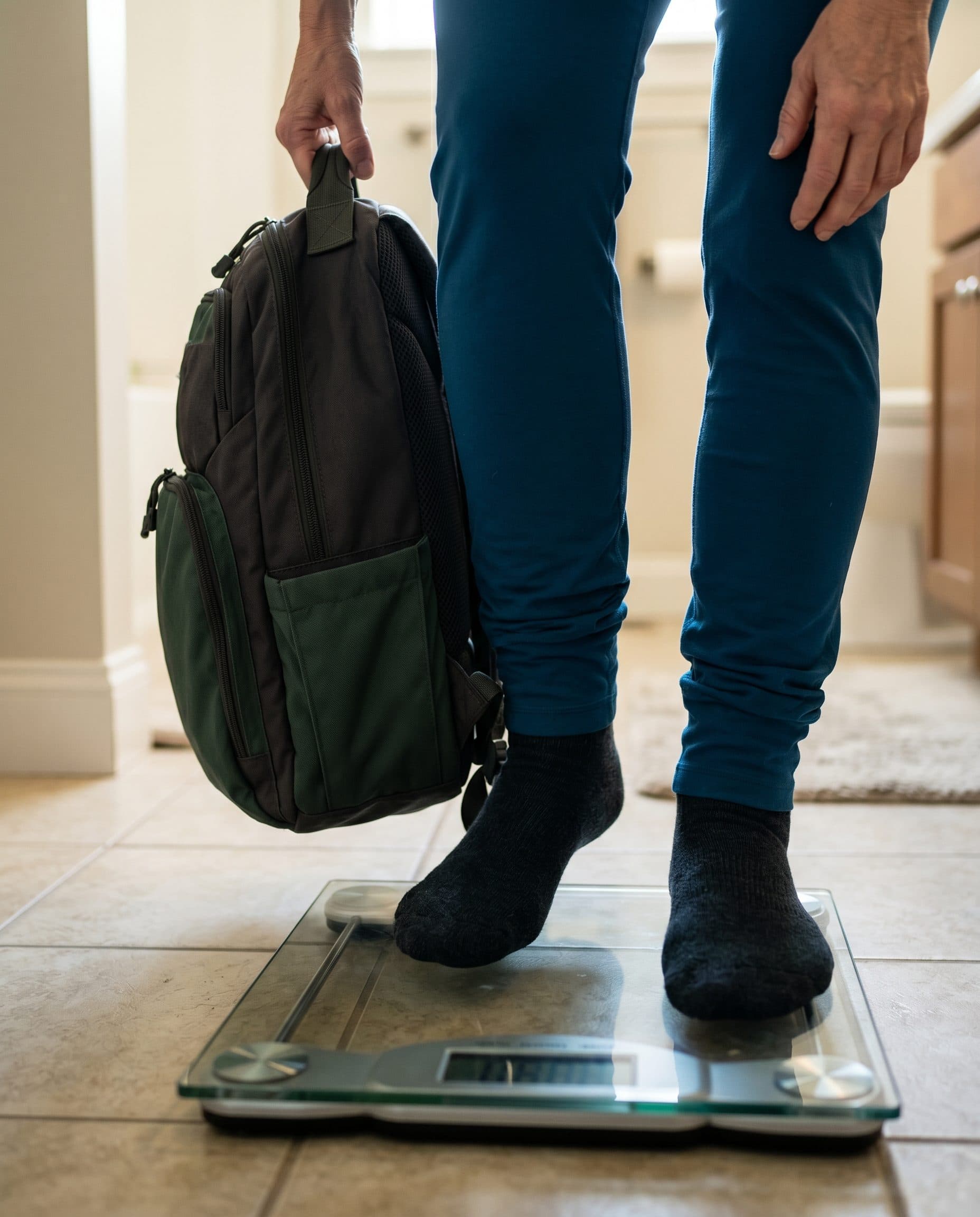
The fix: try carrying weight first with a sturdy backpack you already own, loaded with a few water bottles. It costs nothing, and you can make it as light as you want. Our guide to how to start rucking walks you through your first walk with a pack. Thinking about ankle weights instead? Our guide to weighted vest vs ankle weights explains why we keep the load on your torso for walking.
We're fit-testing vests on women's bodies for our Gear Lab, so you can see which ones fit before you buy.
Better together
One more easy fix: don't do it alone. Walking with other women makes it easier to keep going, and an easy talking pace means women of different ages and fitness levels can carry side by side.
Many women carry for a cause, in honor of someone or to raise money for an organization they care about. Our guide to walking for a cause shows how a group fundraising walk works. If you're part of a nonprofit, women's group or workplace, you can host a ruck for your cause. Donations go straight to your organization.
Ready for your first walk?
Find your starting weight with our weight calculator, then follow the free 4-week plan. It starts with no added weight and builds one small step a week, with a vest or a backpack you already own.